29Jun
Relocating to Singapore involves considerably more paperwork and documentation than most people anticipate. Immigration passes, school enrollment, employment compliance, and housing leases all require original documents, many of which are difficult or impossible to replace from abroad. Add to that the valuables many expat families bring with them, including heirloom jewelry, gold, watches, and sentimental items, and the question of where to keep these things safely becomes a genuinely practical concern.
Singapore is home to roughly 1.91 million non-residents as of 2025, according to the Ministry of Manpower and the Population in Brief 2025 publication. The vast majority rent their accommodation. For this group, a safe deposit box is one of the most straightforward ways to protect what matters most, and the options available to foreign nationals are more accessible than many expect.
What Expats Typically Need to Safeguard
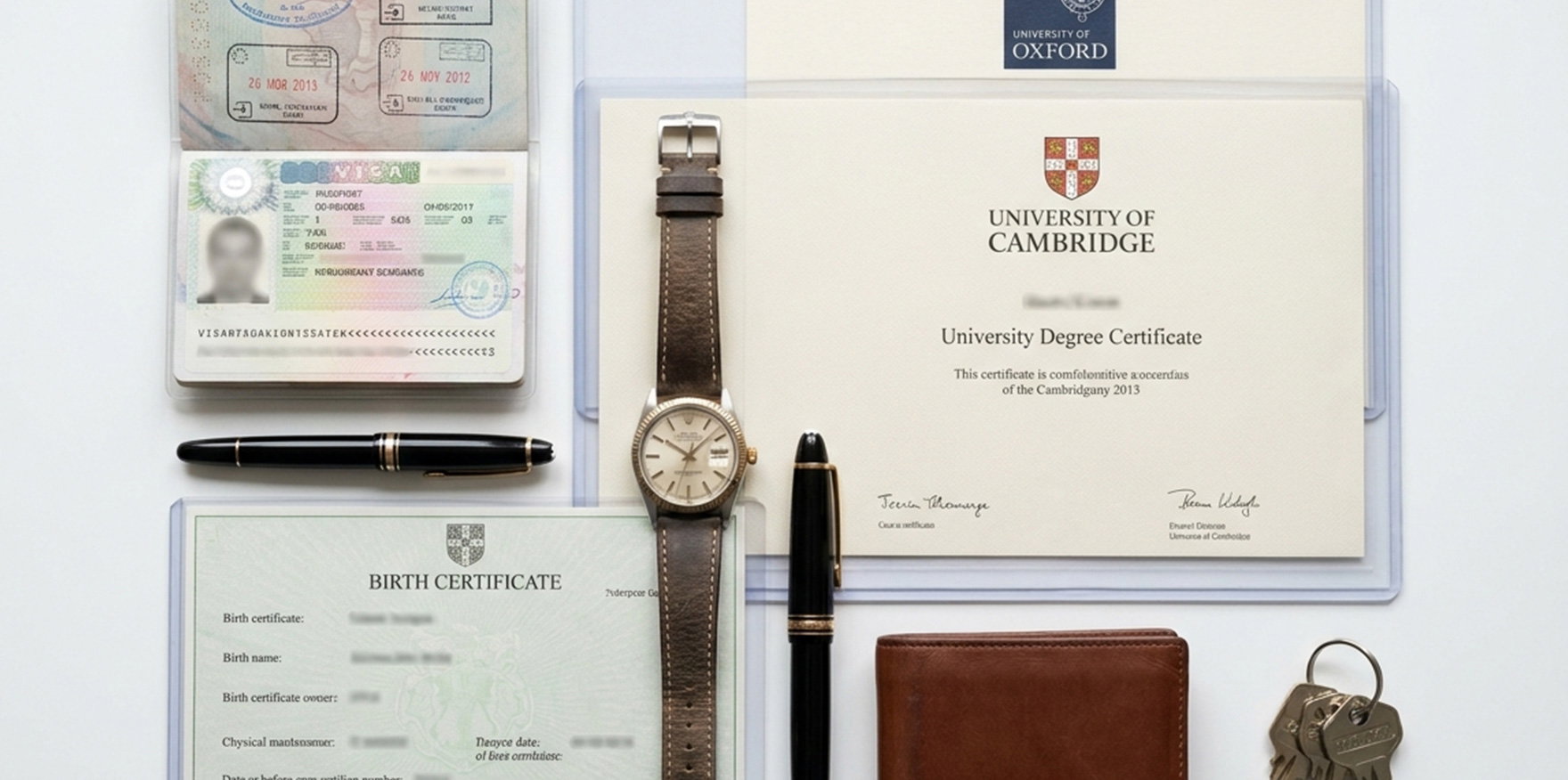
The relocation process generates an unusually high volume of important documents. Schools, the Immigration and Checkpoints Authority (ICA), employers, and banks all require originals or certified copies of documents that should not be left in a cardboard box or a rented apartment drawer.
Items most commonly stored by expats in Singapore include:
These items share a common characteristic: they are high in value, difficult to replace, and sensitive to environmental conditions. For a broader look at storage options by item type, this guide on where to keep valuable items in Singapore covers the key considerations in detail. For jewelry and heirlooms specifically, this article on protecting family heirlooms and jewelry in Singapore is also worth reading.
Why Home Storage Is Not Enough for Expats
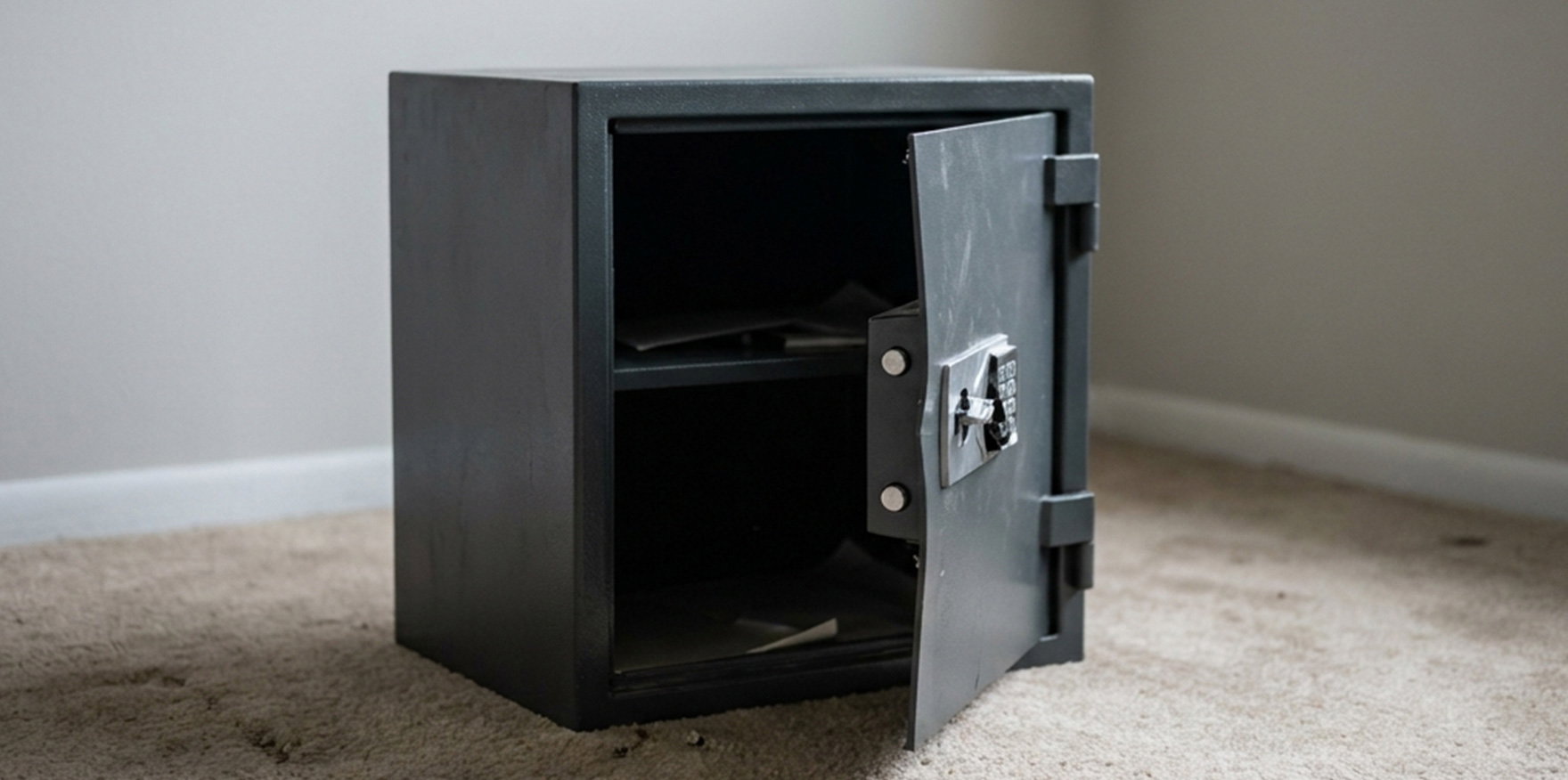
Rented homes offer limited security control
Most expat tenancies run for 12 to 24 months. Landlords typically retain spare keys. Building management, contractors, and maintenance personnel may enter the unit. A built-in apartment safe, where one exists at all, is a generic fixture under the landlord's ownership. Expats have considerably less control over their home environment than long-term owner-occupiers do.
Home contents insurance carries strict sublimits on valuables
Standard home contents policies in Singapore impose low per-item caps on jewelry, watches, and other valuables. Policies from Income Insurance, Great Eastern, and Chubb typically apply sublimits of S$2,000 to S$5,000 per article, with aggregate caps on the total valuables claim. Anything above these thresholds requires itemized appraisal and a specialist rider, often through providers such as Chubb's Masterpiece policy or KoverNow. Many insurers also void or reduce theft coverage if a property is unoccupied for 60 or more consecutive days, a threshold easily reached by expats on extended business travel or home leave.
Housebreaking does occur
Singapore is widely regarded as one of the safest cities in the world, and its crime rates reflect this. That said, housebreaking incidents do happen. Between June and August 2024, foreign syndicates targeted 10 landed properties across Singapore and stole approximately S$3.85 million in jewelry, cash, luxury handbags, and watches. Residential safes were bypassed in under 10 minutes per property. The Singapore Police Force's Annual Crime Brief 2024 recorded 118 housebreaking and theft cases for the year. The risk is statistically low, but the financial and emotional cost of a targeted break-in can be severe.
Singapore's climate degrades documents and valuables
Singapore's average annual relative humidity sits at approximately 84%, according to NEA climate data. Sustained heat and humidity accelerate mold growth on paper documents, tarnishing on silver and gold-plated metals, and degradation of leather and organic materials. Original certificates, fine jewelry, and documents with ink signatures are all vulnerable. Air-conditioned off-site storage addresses this in a way that most residential settings cannot.
Key Considerations When Choosing a Provider

Before selecting a safe deposit box provider, expats should evaluate the following. For a broader checklist, this guide on important questions to ask before choosing a safe deposit box in Singapore is a useful reference.
Operating hours
Some providers restrict access to weekday banking hours. Others operate on extended schedules. Only a small number of private automated vaults offer genuine 24/7 access, which is relevant for expats who travel frequently or work non-standard hours.
Bank account requirement
Several banks in Singapore require an active local bank account as a precondition for renting a safe deposit box. This can be a barrier for newly arrived expats who have not yet completed the account-opening process.
Accepted identification
Most providers accept a valid passport alongside proof of an immigration pass. Some require a Singapore residential address. Providers vary on whether they accept Employment Passes, Dependant Passes, or Long-Term Visit Passes.
Contract flexibility
Banks and many manual operators require annual prepayment. For expats whose tenure in Singapore is uncertain, monthly contracts offer considerably more flexibility.
Security standards
Evaluate whether the facility uses multi-factor biometric access, maintains a sealed vault inaccessible to staff, operates 24/7 CCTV and alarm monitoring, uses a fire suppression system that does not expose stored items to water, and is located at a sufficient elevation above flood risk.
Privacy
Manual safe deposit systems require a staff member to be present with a master key during access. Automated systems allow completely private access with no staff in the vault.
What can be stored
Common stored items include cash, precious metals, jewelry, and important documents. Perishables, hazardous materials, and illegal items are prohibited across all providers. Box weight limits typically range from 10kg to 25kg depending on provider and box size.
Cost structure
Fees vary significantly across providers. Understanding the full cost, including annual rental, security deposits, key replacement fees, and any after-hours access charges, is important before committing.
Types of Safe Deposit Box Providers in Singapore
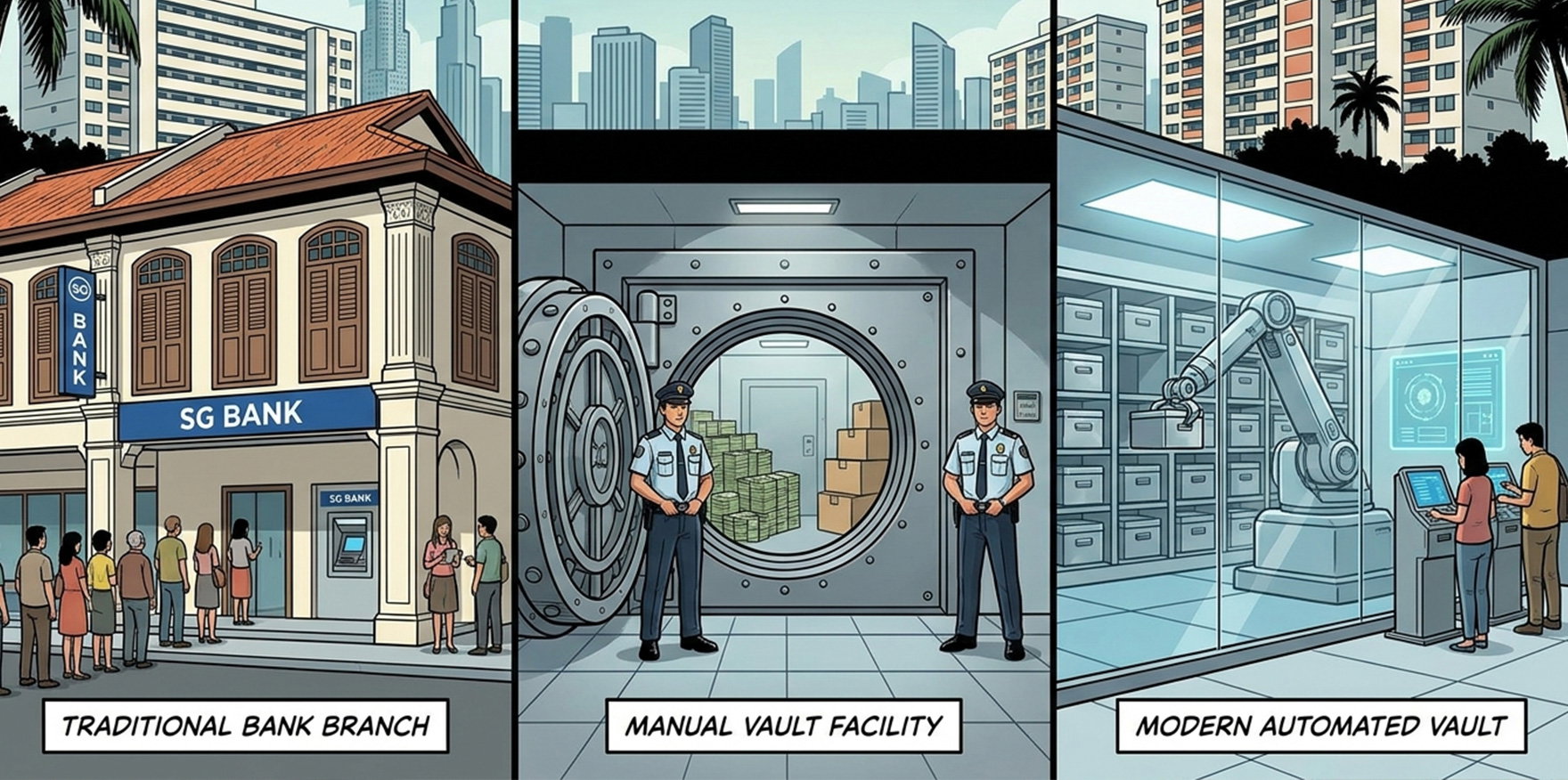
For a detailed side-by-side comparison of all provider types, this overview of bank versus automated safe deposit boxes in Singapore covers pricing and eligibility in full.
Banks
DBS is currently the most accessible bank option for retail customers in Singapore, offering safe deposit boxes to anyone with a basic DBS or POSB savings or current account. Foreigners must present a valid passport and an immigration pass with at least six months of remaining validity. Access is limited to branch operating hours: weekdays from 8:30am to 4:00pm and Saturdays from 8:30am to 12:30pm, with no access on Sundays or public holidays. Annual prepayment is required, and availability at popular branches can be limited.
UOB and OCBC have moved their safe deposit services largely to Premier Banking and Private Banking clients, requiring significant minimum deposit balances that most newly arrived expats will not immediately hold. None of Singapore's major banks insure the contents of a safe deposit box.
Manual private operators
Certis and SECOM operate manual safe deposit facilities across Singapore with no banking relationship required. Foreigners are accepted on passport. Both facilities operate with longer hours than most banks and include security-escorted access with dual-key systems. SECOM charges a one-time refundable deposit of S$300 for passport holders and operates Monday to Friday from 8:30am to 7:00pm and Saturdays from 8:30am to 5:30pm. Annual contracts are standard across manual operators.
Automated private vaults
Automated facilities deliver safe deposit boxes robotically to a private viewing room, with no staff present during access. Providers in this category include STARVAULT, Vault@268, and Smart Secure Storage @ SG. These facilities generally offer the broadest accessibility for expats: no banking relationship is required, registration can proceed on passport, and 24/7 access is standard.
Why STARVAULT Works Well for Expats
STARVAULT is located at BOXPARK, 506 Chai Chee Lane #01-01, and is operated by BOXPARK Pte Ltd, a subsidiary of Dou Yee International, established in 1982 and the building owner. It is rated 4.9 stars on Google Reviews. The facility is accessible via Bedok or Kembangan MRT on the East-West Line.
Several of STARVAULT's features are particularly relevant to expats:
No local bank account required
Registration requires only a valid passport or immigration pass, a Singapore phone number, and an email address. Both are verified by OTP. There is no requirement to hold an account with any bank in Singapore, which removes a common barrier for newly arrived residents.
24/7 access, including public holidays
STARVAULT's vault access operates around the clock, independent of office hours. The on-site office is open Monday to Friday from 8:30am to 6:00pm, and on Saturdays by appointment with 24 hours advance notice. This is relevant for expats on irregular schedules or frequent travel, who may need to retrieve documents at short notice.
Fully automated and private
STARVAULT's automated system, designed by the Gunnebo Group, delivers boxes robotically to a private room. No staff member enters the vault during access. This is a meaningful distinction from manual operators, where a facility employee is present throughout.
Five-step biometric access
Entry requires a biometric facial scan to access the facility, an access card to enter a private secure room, followed by access card, PIN code, and fingerprint verification to retrieve the box, and finally a unique physical key to open it. Any changes to account access require OTP verification from the registered account holder, preventing unauthorized modifications.
Real-time access notifications
Each box access triggers an email notification with a timestamp, giving account holders a complete activity log regardless of where they are in the world.
Air-conditioned vault
STARVAULT's vault is air-conditioned around the clock using two independent systems installed for redundancy. This provides stable conditions for original documents, jewelry, and precious metals against Singapore's high ambient humidity.
Fire and flood protection
The vault uses a gas suppression fire protection system certified annually by the Singapore Civil Defence Force (SCDF), which extinguishes fire without water damage to stored items. The building is located 29 meters above sea level, reducing flood exposure.
Flexible monthly contracts
Rental plans start from one month, with discounted rates available for annual and multi-year prepayment. This suits expats who may be uncertain of their duration of stay.
Complimentary Will Custodian Service
STARVAULT offers a free will custodian service using Form W to designate executors and set retrieval conditions. For expats with cross-border estates, this service provides a structured way to ensure the original will is accessible without the probate delays that can occur with bank safe deposit boxes.
Pricing
| Box Size | Monthly Plan | 1-Year Prepay | 3-Year Prepay |
| Small | S$60/month | S$36/month (40% off) | S$30/month (50% off) |
| Medium | S$110/month | S$66/month (40% off) | S$55/month (50% off) |
A one-time administrative fee of S$100 and a refundable security deposit of S$200 apply to both box sizes. The 1-year prepay plan currently includes a promotion of 2 months free.
Practical Steps for Newly Arrived Expats
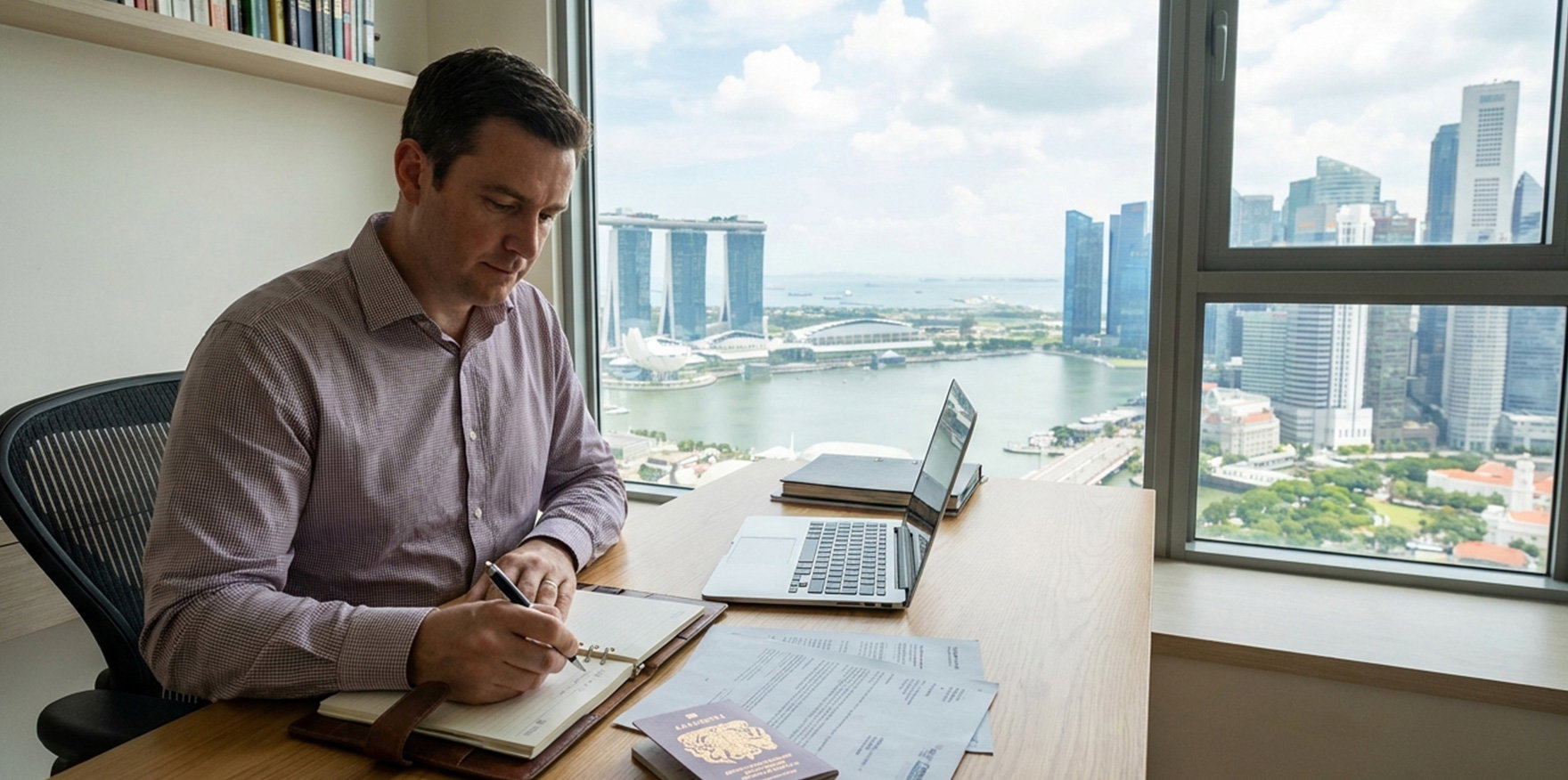
Within the first month of arriving in Singapore, take a written and photographic inventory of all important documents and valuables, including appraised values and serial numbers where applicable.
From that inventory, identify what should not remain at home: anything irreplaceable, anything exceeding your insurer's per-item sublimit, and any document that ICA, MOM, or financial institutions may require only occasionally but urgently.
If you already bank with DBS and have no issue with weekday-only access, a DBS safe deposit box is the most economical entry point. If you do not yet have a local bank account, travel frequently, or value flexibility, an automated private vault is the more practical fit from day one.
Revisit the arrangement annually, or after any significant life event such as a change of immigration pass, the birth of a child, a property purchase, or a planned repatriation.
Conclusion
For expats relocating to Singapore, securing important documents and valuables off-site is a practical priority, not an afterthought. Rented accommodation, home insurance sublimits, Singapore's humidity, and the realities of frequent travel all point in the same direction.
Private automated vaults such as STARVAULT address the specific limitations that banks and manual operators present for foreign nationals: no banking requirement, genuine 24/7 access, full privacy, and monthly contract flexibility.
Schedule a tour of STARVAULT's facilities, get a personalized quote, or contact the team for further information.