30Jun
Singapore is consistently ranked among the world's most stable financial and political jurisdictions. Its triple-A credit ratings, decades of uninterrupted governance, and well-capitalized banking system make it a preferred base for international professionals managing exposure to a less predictable region.
Yet stability in Singapore does not eliminate the risks that surround it. Regional geopolitical tensions, global financial shocks, and sudden personal emergencies can place an expat in a position where physical documents and tangible assets become the only things that matter. This guide covers why that risk is real, what to prepare for, and how an independently accessible safe deposit box fits into a sound contingency plan.
Singapore as a Safe Haven and Its Limits
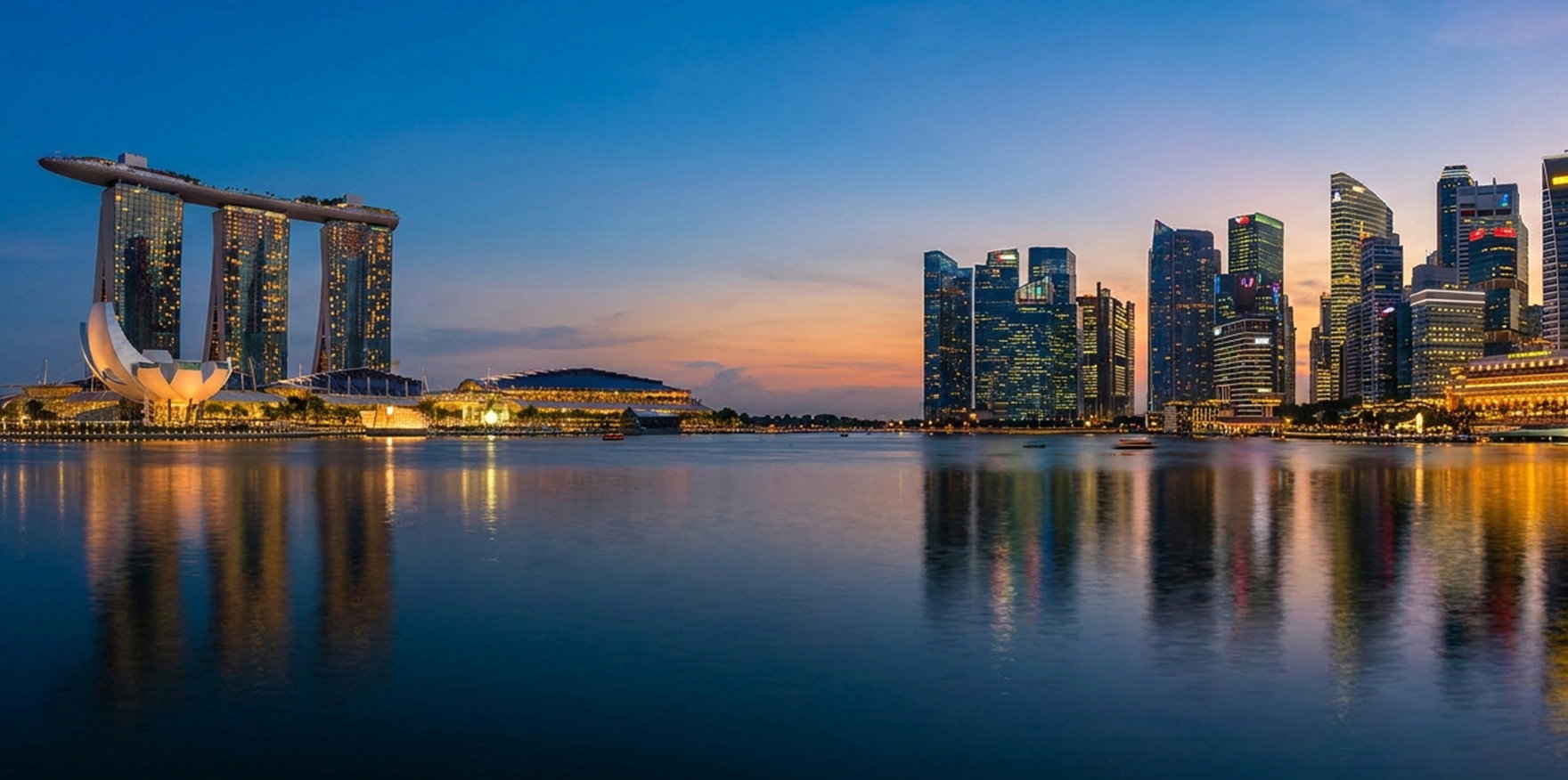
Singapore's resilience through successive crises is well documented. During the 1997 Asian Financial Crisis, Singapore's economy grew by 1.5 percent in 1998 while neighboring economies contracted sharply. The Monetary Authority of Singapore (MAS) manages the Singapore dollar against a trade-weighted basket of currencies, providing a stable monetary framework that has kept average annual inflation at around 1.9 percent since 1981. During COVID-19, the government drew approximately S$42.9 billion from the national reserves across FY2020 to FY2022 to support businesses and households, funds that were subsequently returned as the economy recovered.
This track record draws capital and talent from across the region. As of end-June 2025, Singapore's total population stood at 6.11 million, comprising 4.20 million residents and 1.91 million non-residents, according to the Population in Brief 2025 publication. Non-residents make up 31.3 percent of the total, reflecting Singapore's position as a regional hub for international professionals.
What Singapore cannot do is insulate an expat from risks originating elsewhere: a geopolitical escalation in the region, a financial crisis in a home or third country, or a sudden change in personal circumstances requiring immediate access to documents and liquid assets. For those risks, personal preparedness is the only reliable answer.
What Political and Economic Instability Means for Expats
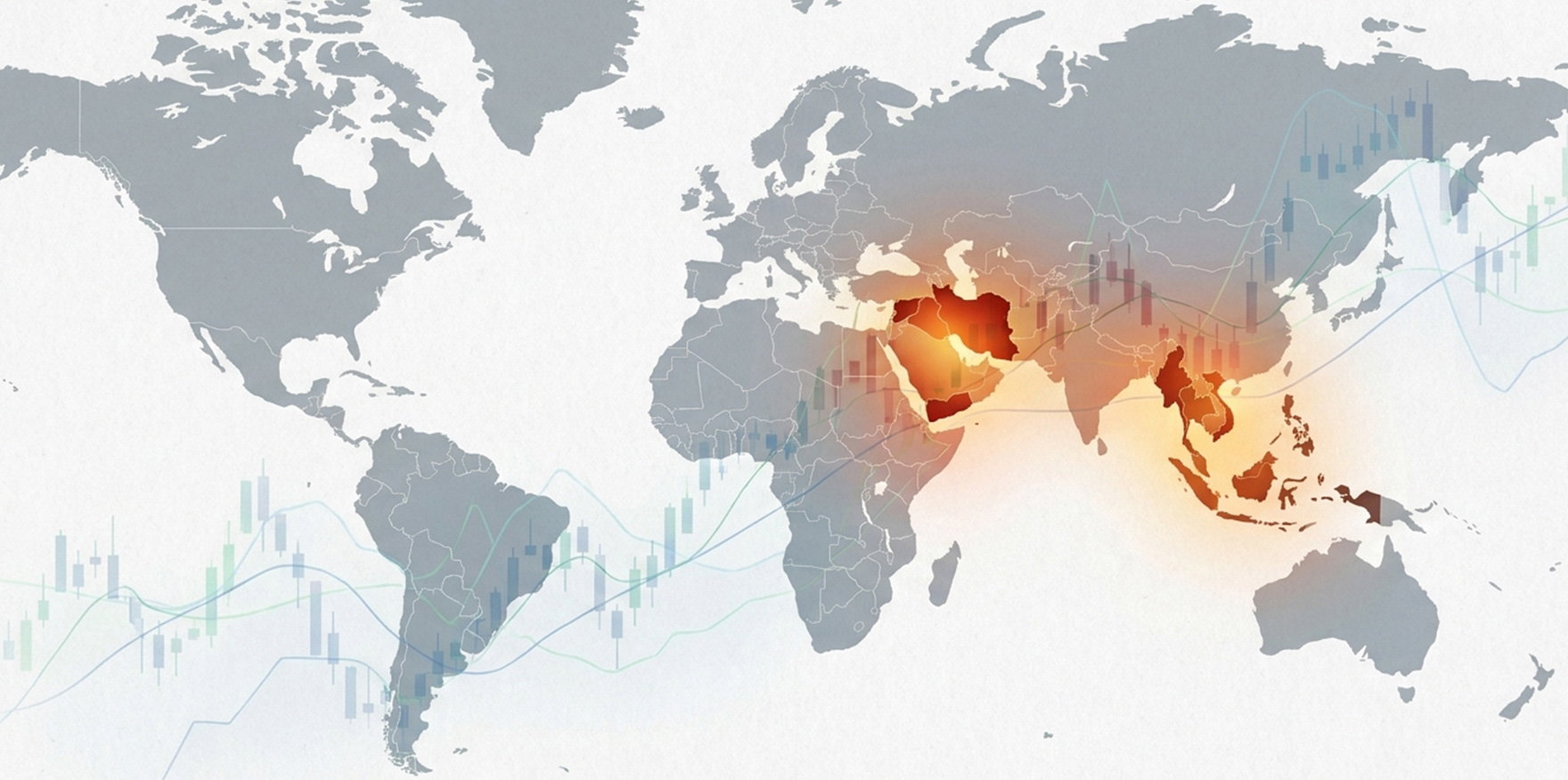
For a foreign national, instability rarely announces itself in advance. The South China Sea remained a source of regional tension through 2025, with repeated confrontations between state actors and ongoing naval deployments. Neighboring countries have experienced political transitions, currency volatility, and capital outflows. An expat whose income, savings, or property spans multiple jurisdictions has exposure to each of these environments simultaneously.
History demonstrates what happens to bank-held assets when a financial system comes under stress. In Cyprus in 2013, banks closed for ten days. Depositors at Bank of Cyprus holding uninsured balances above 100,000 euros absorbed a 47.5 percent haircut, and capital controls remained in place until April 2015. In Lebanon, informal capital controls imposed from late 2019 locked an estimated US$86 to US$93 billion across approximately 1.26 million accounts, while the Lebanese pound lost over 90 percent of its value. In both cases, the assets that remained accessible were physical ones held outside the banking system.
Singapore's banking system is well regulated under MAS oversight, and depositors here are protected by the Singapore Deposit Insurance Corporation (SDIC) up to S$100,000 per depositor per institution. These protections reduce local risk materially. The point is not that Singapore's banks are fragile, but that an expat's financial exposure rarely stops at Singapore's borders, and banking system failures elsewhere can affect assets, income streams, and the ability to move money when it is needed most.
What Expats Should Prepare and Store
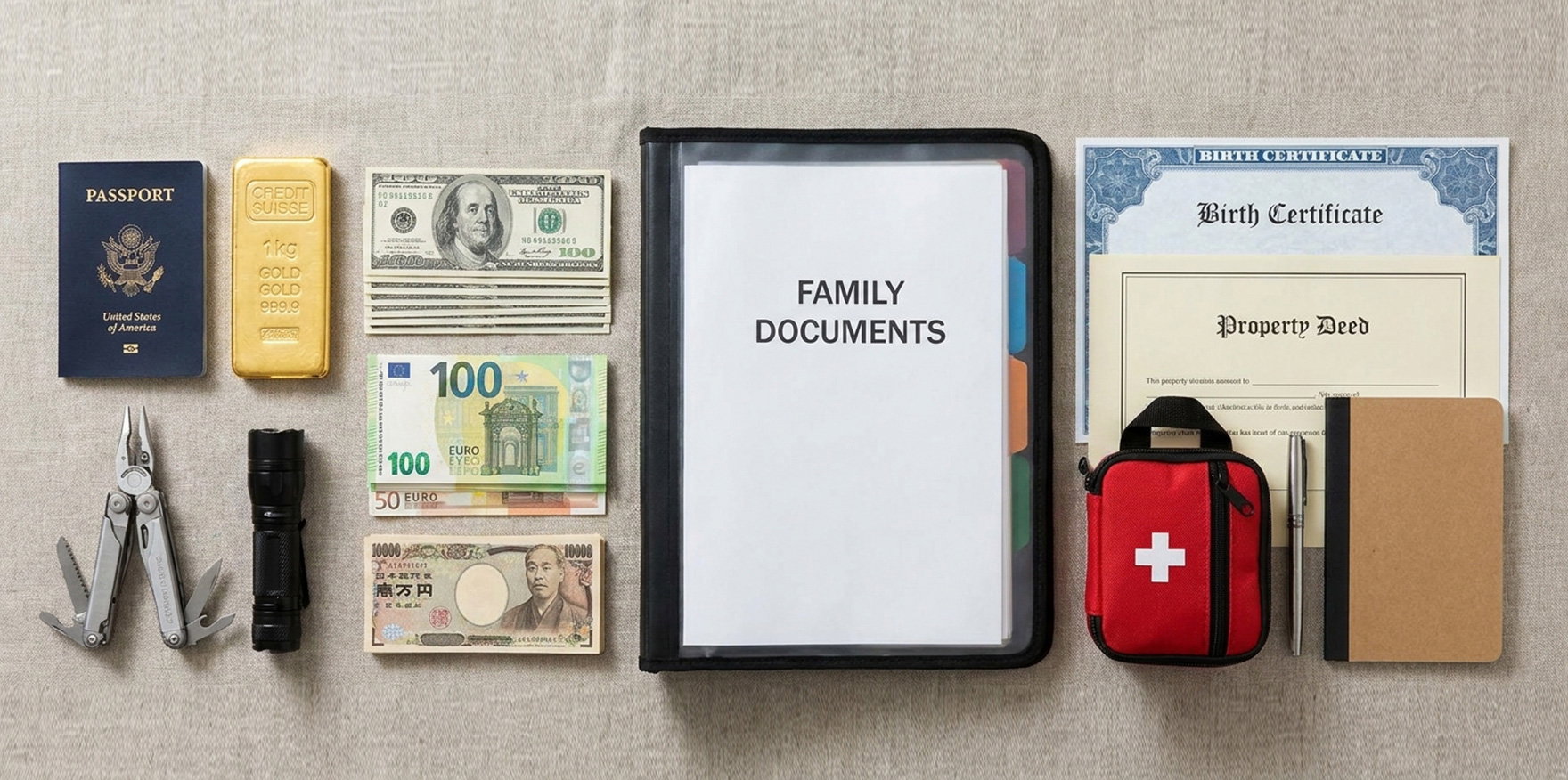
The core of any crisis-readiness plan for an expat household is a set of physical documents and tangible assets that remain accessible regardless of banking system conditions. The following checklist covers the essentials:
Identity and immigration documents
- Passports for every family member, with certified copies
- Current immigration passes, including Employment Passes, Dependant Passes, and Long-Term Visit Passes issued by the Immigration and Checkpoints Authority (ICA)
- Copies of visas for countries where family members hold residency
Legal and estate documents
- Original wills and powers of attorney, particularly important for cross-border estates where intestacy laws across multiple jurisdictions could apply
- Trust deeds and executor instructions
- Insurance policies covering health, life, and property
Financial and property records
- Property title deeds for assets held in Singapore or abroad
- Share certificates and bond documents held in physical form
- Bank account details and contact information for financial institutions across jurisdictions
Liquid emergency resources
- Emergency cash in multiple currencies sufficient to cover travel and several weeks of expenses without bank access
- Investment-grade gold or silver, which provides a store of value independent of any single currency or financial system. For more on gold storage in Singapore, this guide on secure gold storage for bullion investors covers the key considerations.
These items should be paired with a digital backup strategy. Encrypted scanned copies of documents stored in a secure cloud environment provide redundancy, but they do not replace originals. Passports, signed wills, and physical precious metals exist only in material form and must be physically accessible.
For more detail on succession planning and will storage in Singapore, this guide on where and how to store your will covers all available options including the implications for expats with cross-border estates.
Why a Safe Deposit Box Is the Right Crisis Tool
Home storage and bank accounts each have limitations that become consequential in a crisis.
Home safes offer limited fire and flood resistance. Standard home contents policies in Singapore impose sublimits on valuables, and most do not cover the full replacement value of documents, precious metals, or jewelry. For a more detailed breakdown of what home storage cannot adequately protect, this comparison of home safes versus safe deposit boxes covers the risks with specific reference to documented incidents in Singapore.
Bank-held assets, as the historical record above shows, can be frozen by capital controls, sealed on the death of the account holder pending probate, or simply inaccessible outside banking hours at a critical moment. None of Singapore's major banks insure the contents of a safe deposit box, and most restrict access to branches that operate on weekday business hours only.
A private safe deposit box at an independent facility solves these problems by design. The right facility offers round-the-clock access, protection from fire and flood, private retrieval with no staff involvement, and no dependency on maintaining a local bank account. These properties are not incidental conveniences: they are precisely the features that matter when access to documents and assets becomes urgent.
For a broader look at the rise in demand for private safe deposit facilities in Singapore, this article on securing assets in uncertain times provides useful context.
STARVAULT: Purpose-Built for Independent Asset Security
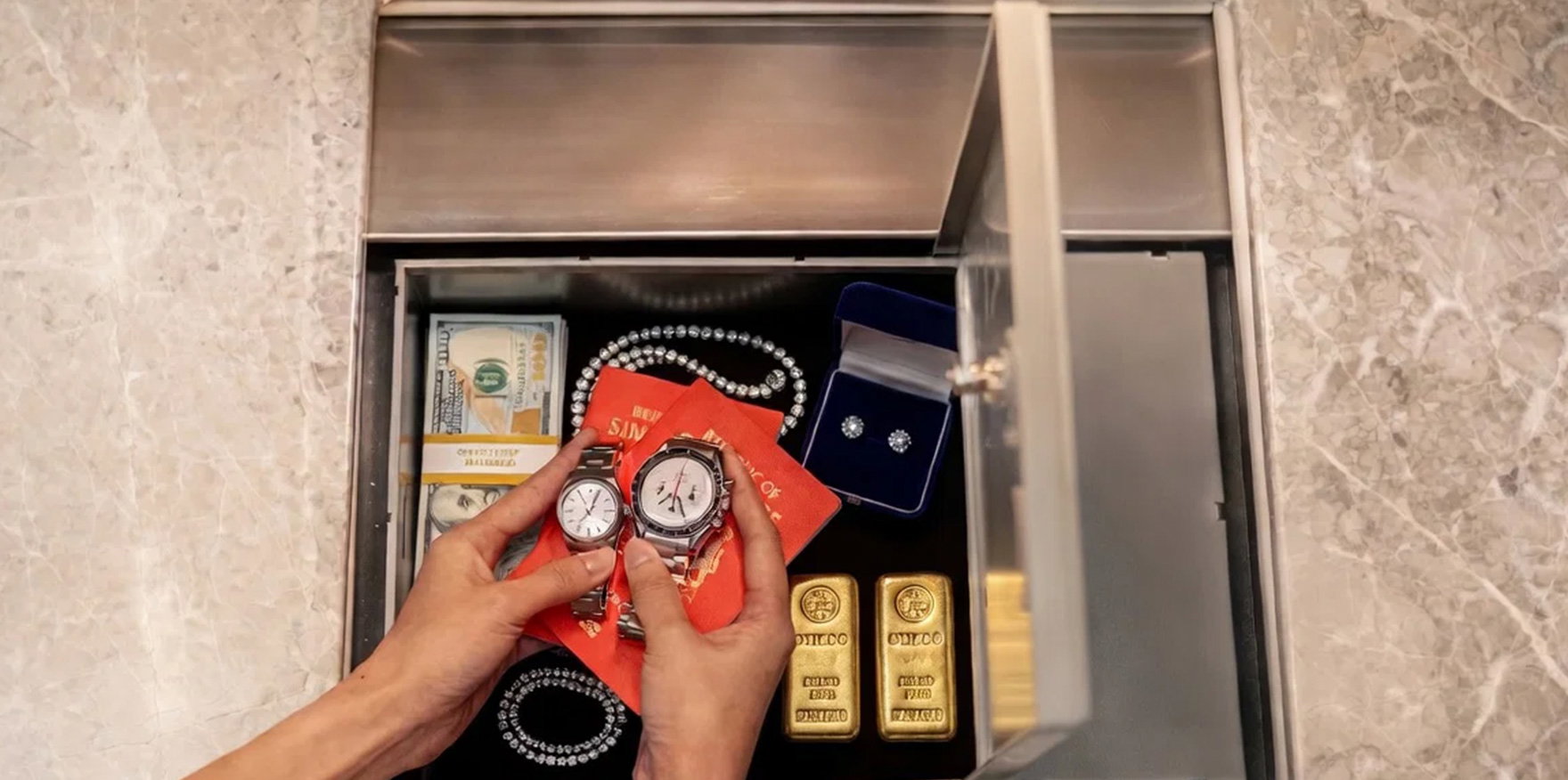
STARVAULT is a private automated safe deposit box facility located at BOXPARK, 506 Chai Chee Lane #01-01, Singapore 469026, operated by BOXPARK Pte Ltd, a subsidiary of Dou Yee International, established in 1982 and the owner of the building. The facility is rated 4.9 stars on Google Reviews and is accessible via Bedok and Kembangan MRT stations on the East-West Line.
Several of STARVAULT's features are directly relevant to expats planning for contingencies.
No local bank account required
Registration requires only a valid passport or immigration pass, a verifiable Singapore phone number, and an email address, both confirmed by OTP. There is no banking relationship requirement, which means access is not contingent on the health of any financial institution.
24/7 vault access, every day of the year
STARVAULT's vault is accessible around the clock, including on public holidays, with no appointment needed. The on-site office is open Monday to Friday from 8:30am to 6:00pm, and on Saturdays by appointment with 24 hours advance notice. In a crisis scenario, the ability to retrieve documents or assets outside standard business hours is a critical advantage.
Automated, staff-free vault retrieval
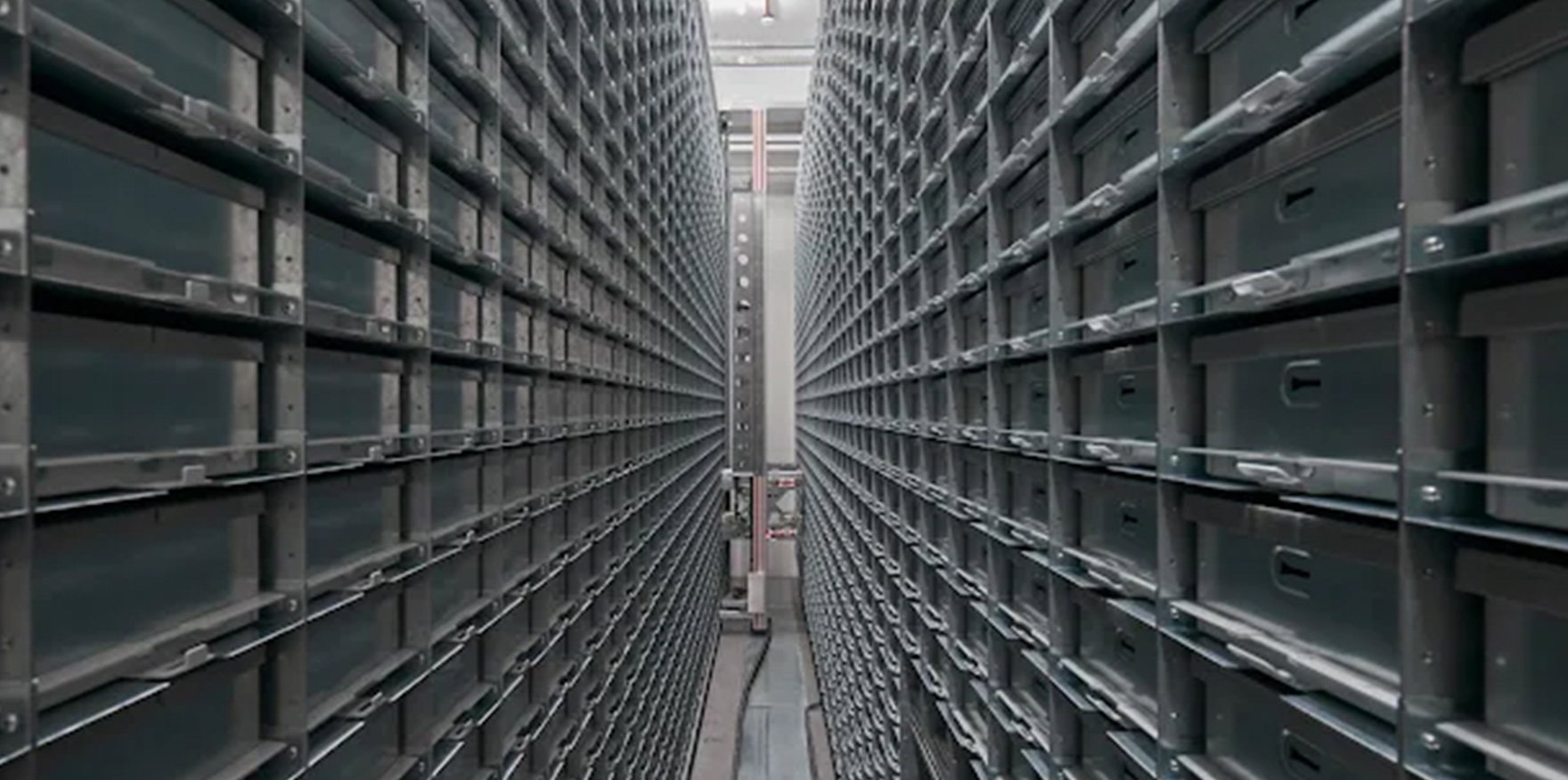
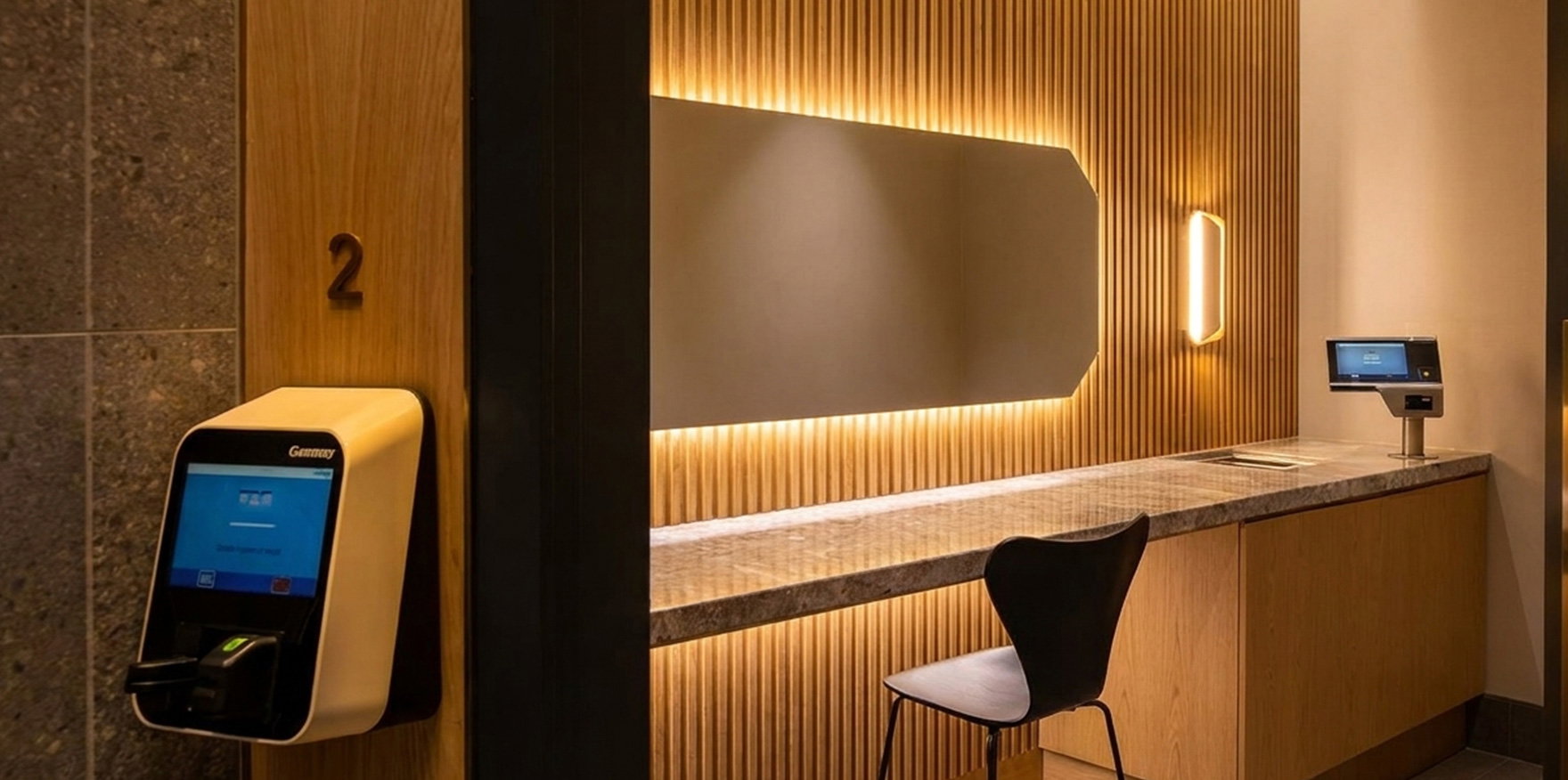
STARVAULT's system, built on technology by the Gunnebo Group, delivers boxes robotically to a private viewing room. No staff member enters the vault during access, ensuring complete privacy. This is particularly relevant during sensitive periods when discretion matters. For a full walkthrough of how the retrieval process works, this article on STARVAULT's automated safe deposit system explains each step.
Five-step biometric access
Entry requires a biometric facial scan to access the facility, an access card to enter a private secure room, followed by access card, PIN code, and fingerprint verification to retrieve the box, and finally a unique physical key to open it. Any change to account access requires OTP verification from the registered account holder. Staff cannot modify permissions unilaterally, which means no unauthorized party can access a box through an administrative override.
Real-time access notifications
Every box access triggers an immediate email notification with a timestamp, giving account holders a complete activity record regardless of where they are in the world. For expats who travel frequently, this provides an additional layer of oversight.
Air-conditioned vault
STARVAULT's vault is air-conditioned around the clock using two independent systems installed for redundancy. This provides stable conditions for original documents, jewelry, and precious metals against Singapore's high ambient humidity.
Fire and flood protection
The vault uses a gas suppression fire protection system certified annually by the Singapore Civil Defence Force (SCDF), which extinguishes fire without water damage to stored items. The building is located 29 meters above sea level, reducing flood exposure.
Flexible monthly contracts
Rental plans start from one month, with discounted rates available for annual and multi-year prepayment. This suits expats who may be uncertain of their duration of stay.
Complimentary Will Custodian Service
STARVAULT offers a free will custodian service using Form W to designate executors and set retrieval conditions. For expats with cross-border estates, this service provides a structured way to ensure the original will is accessible without the probate delays that can occur with bank safe deposit boxes.
For a step-by-step guide to storing a will at STARVAULT, this article on how to store your will at STARVAULT covers the full process.
Pricing
| Box Size | Monthly Plan | 1-Year Prepay | 3-Year Prepay |
| Small | S$60/month | S$36/month (40% off) | S$30/month (50% off) |
| Medium | S$110/month | S$66/month (40% off) | S$55/month (50% off) |
A one-time administrative fee of S$100 and a refundable security deposit of S$200 apply to both box sizes. The 1-year prepay plan currently includes a promotion of 2 months free.
A Staged Action Plan
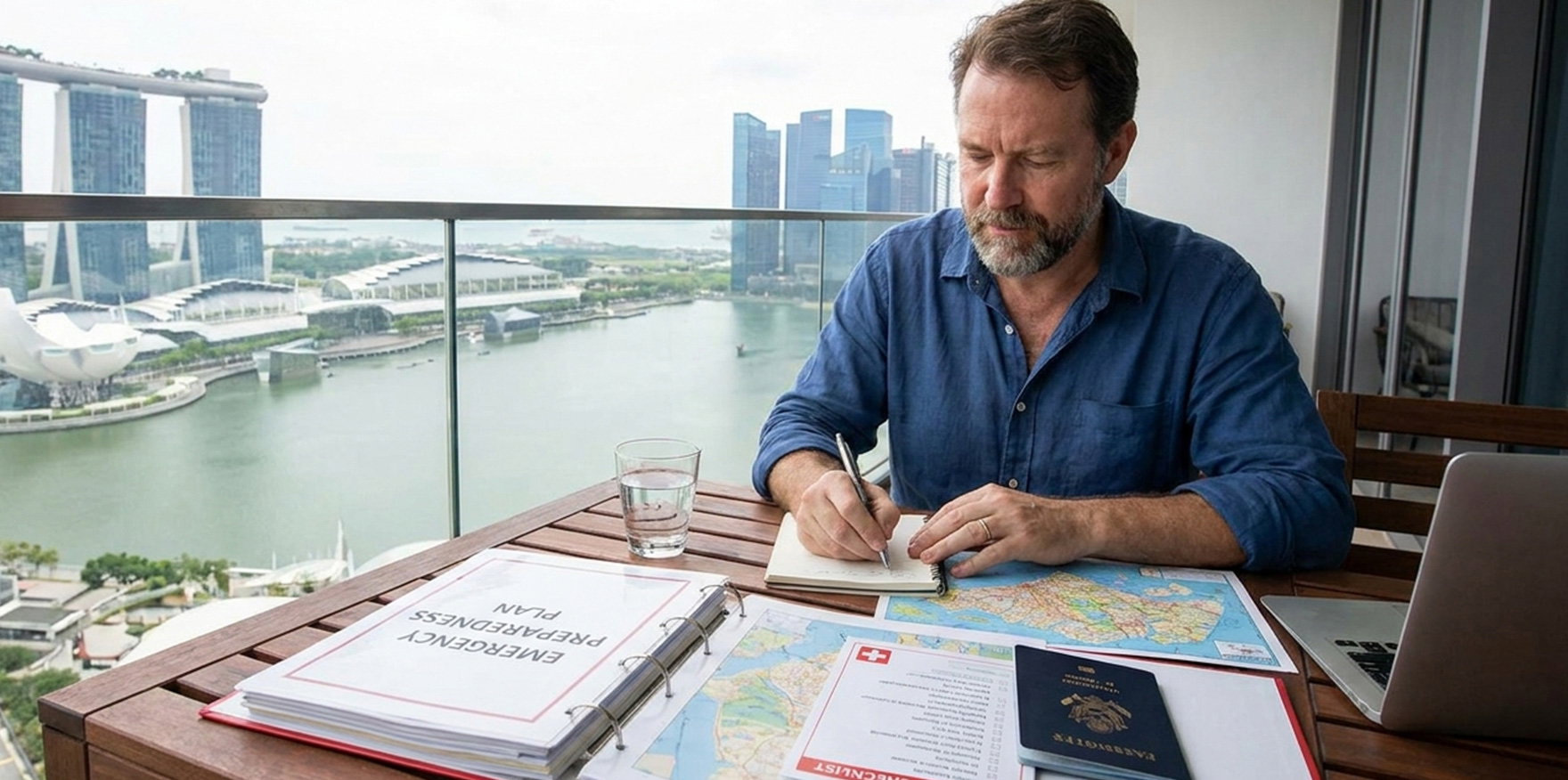
Effective emergency preparedness does not require doing everything at once. A staged approach makes it manageable.
Within the first month, compile and verify your core documents, take a photographic inventory of valuables, and lodge originals in an independently accessible safe deposit box. Register with your home country's foreign ministry notification system, and note Singapore's relevant emergency contacts including the Ministry of Foreign Affairs Singapore and ICA.
Over the following months, build digital redundancy by scanning every document into encrypted cloud storage. Complete your succession planning, including a properly executed will with designated executors, stored independently of your bank.
Review the arrangement annually, and revisit it immediately after any significant life change: a new immigration pass, a property acquisition, a change in financial exposure, or a material shift in the regional environment.
Conclusion
Singapore offers a stable and well-governed platform from which to manage an international life. That stability does not eliminate the need for personal contingency planning, particularly for expats whose documents, assets, and family ties span multiple countries and jurisdictions.
A private automated safe deposit box, independently accessible at any hour and not reliant on the banking system, is a practical foundation for crisis-proof storage. STARVAULT is built around exactly these requirements, with no banking prerequisite, genuine 24/7 access, staff-free privacy, and a flexible contract structure suited to expat circumstances.
Schedule a tour of STARVAULT's facilities, get a personalized quote, or contact the team for further information.